


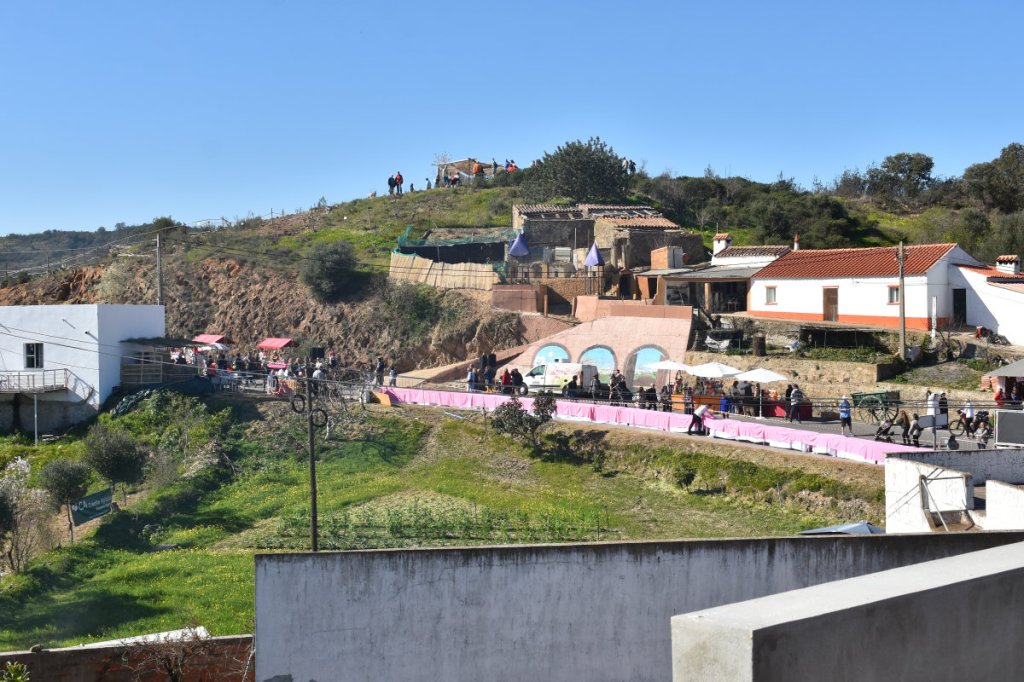
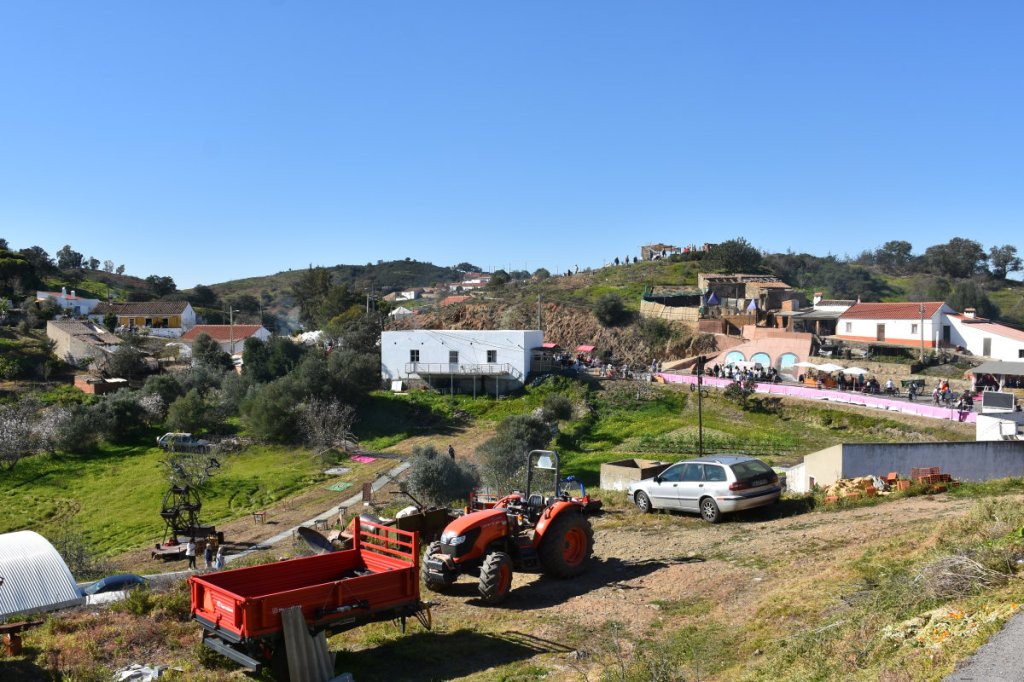
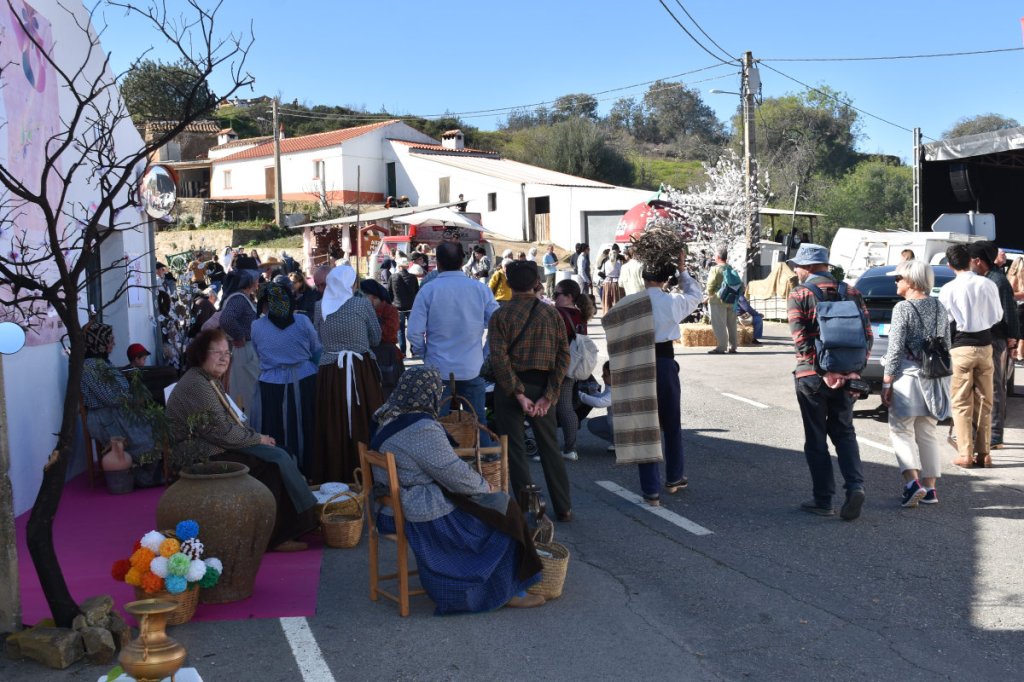
Festivals in Portugal, as in the rest of the world, have taken a Covid Pandemic beating so the 2023 Festival of Almond Flowers in Alta Mora drew a large and very vibrant crowd. Randy, Joanne, Jackson and myself set out on Saturday February 4 to check out what it was all about. It took slightly over an hour to drive east and north -almost to the border of Spain – to the hilltop town of Alta Mora. What a treat! The one and only road through the village was closed to vehicular traffic so we parked on the side of the road and proceeded to walk.
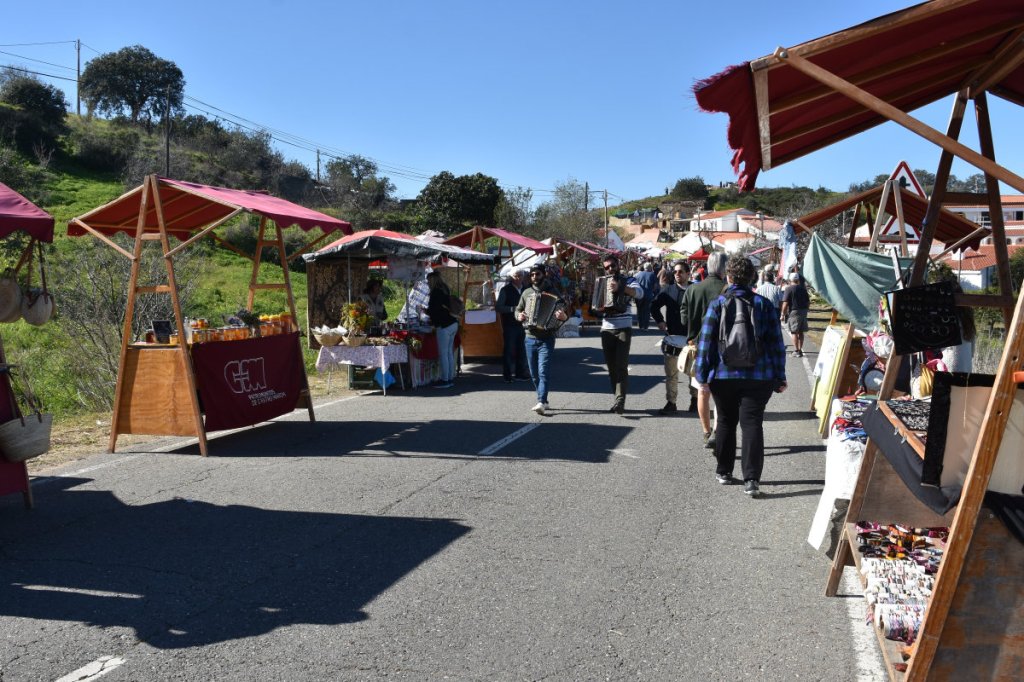


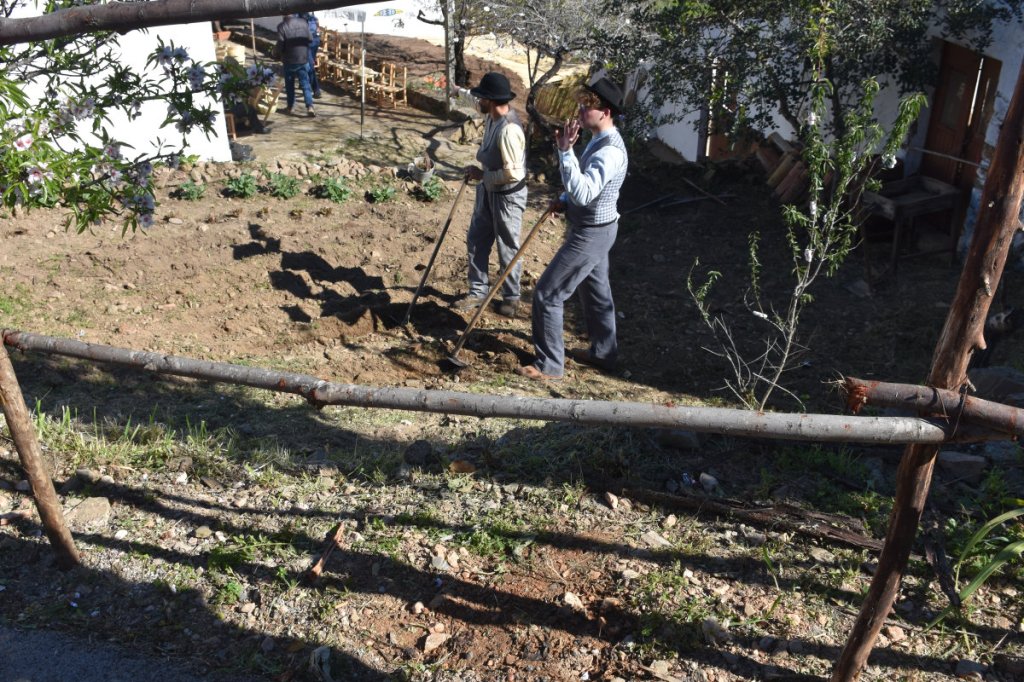

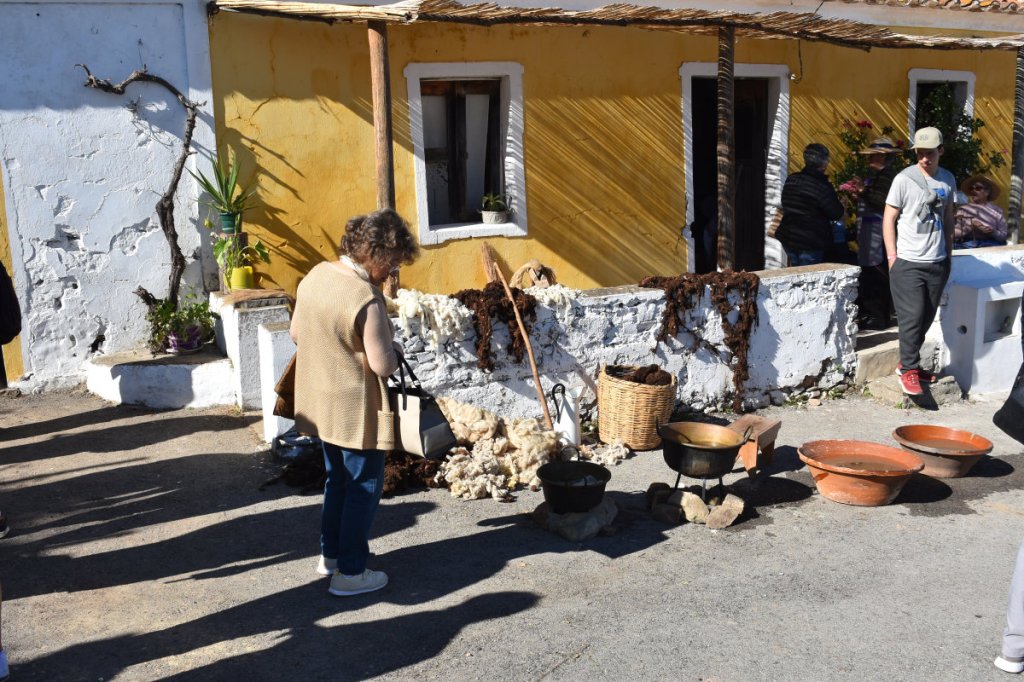
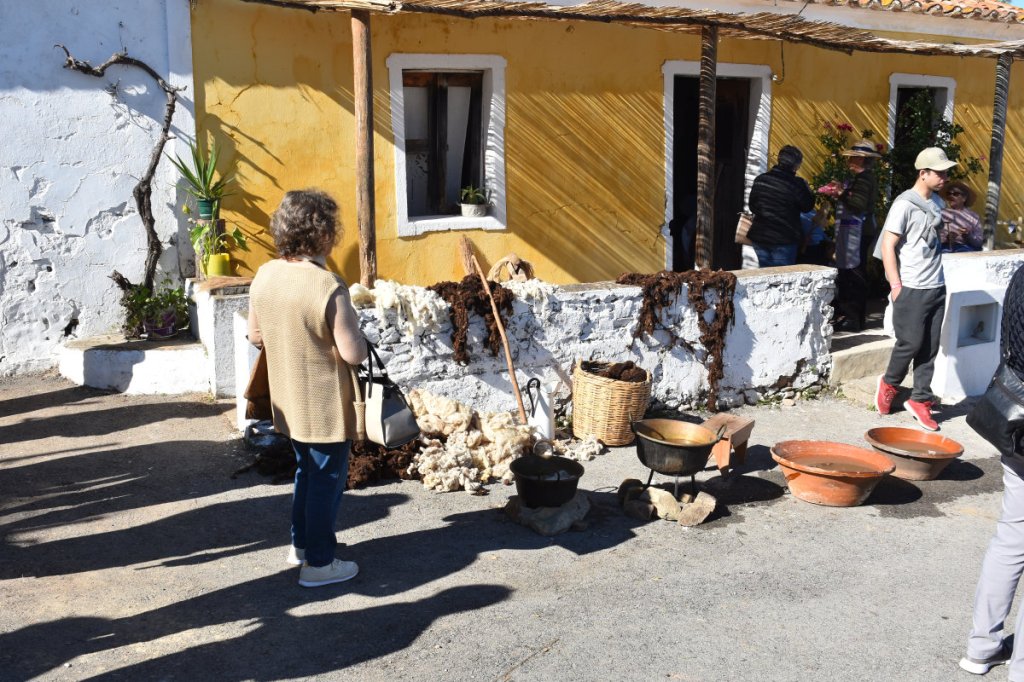

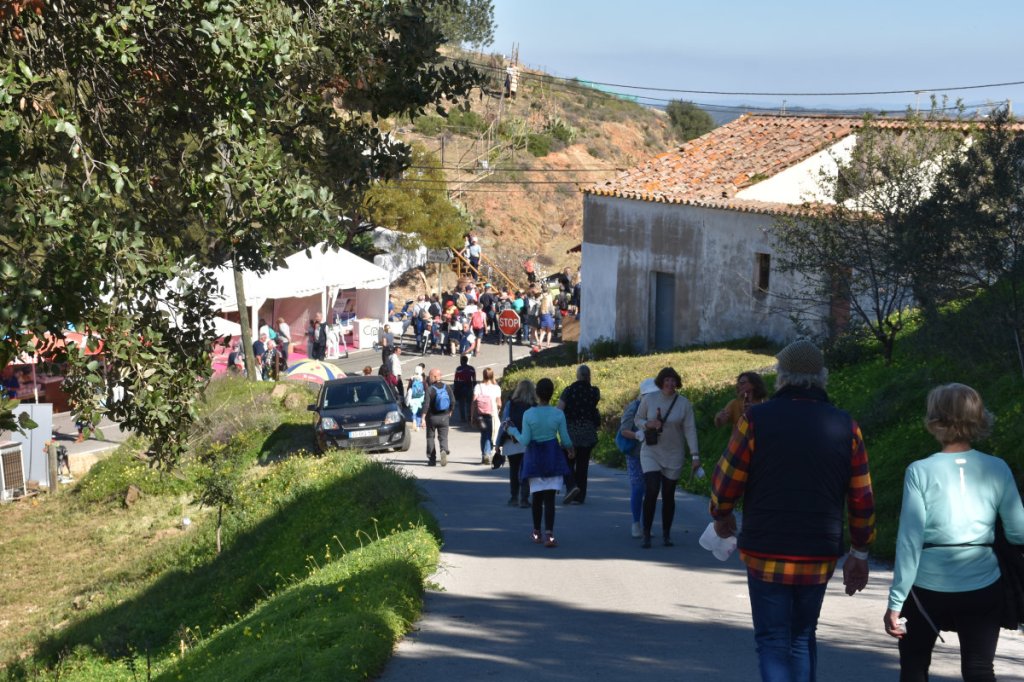

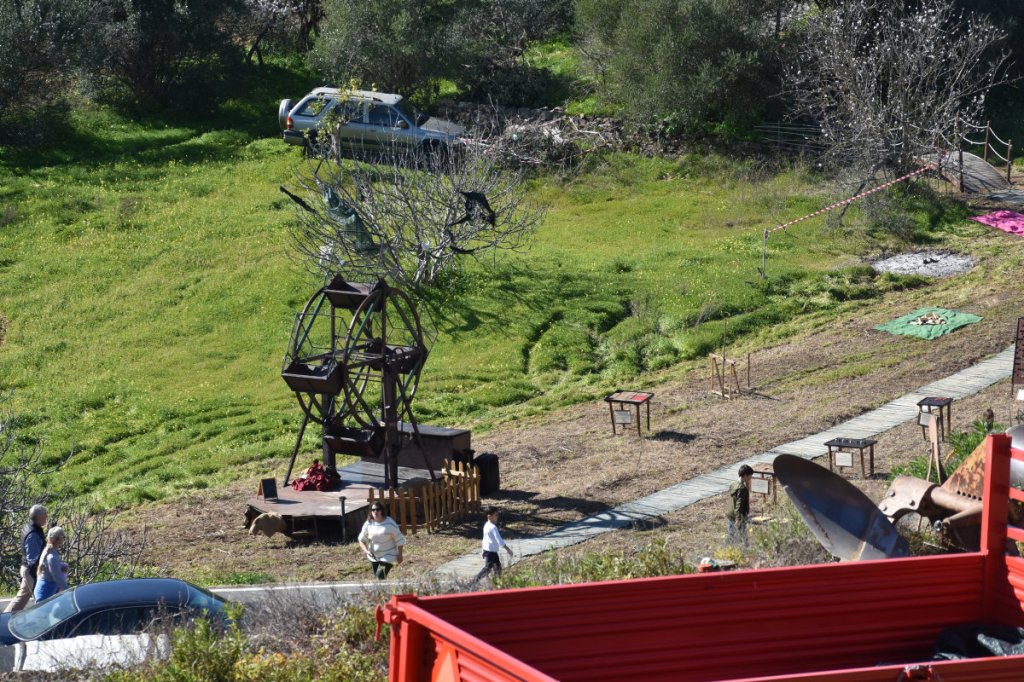
There were lots of local artisans promoting and selling their products, demonstrations of yarn making, shepherding and lots of food. There was music in the air along with the scent of fresh baking.


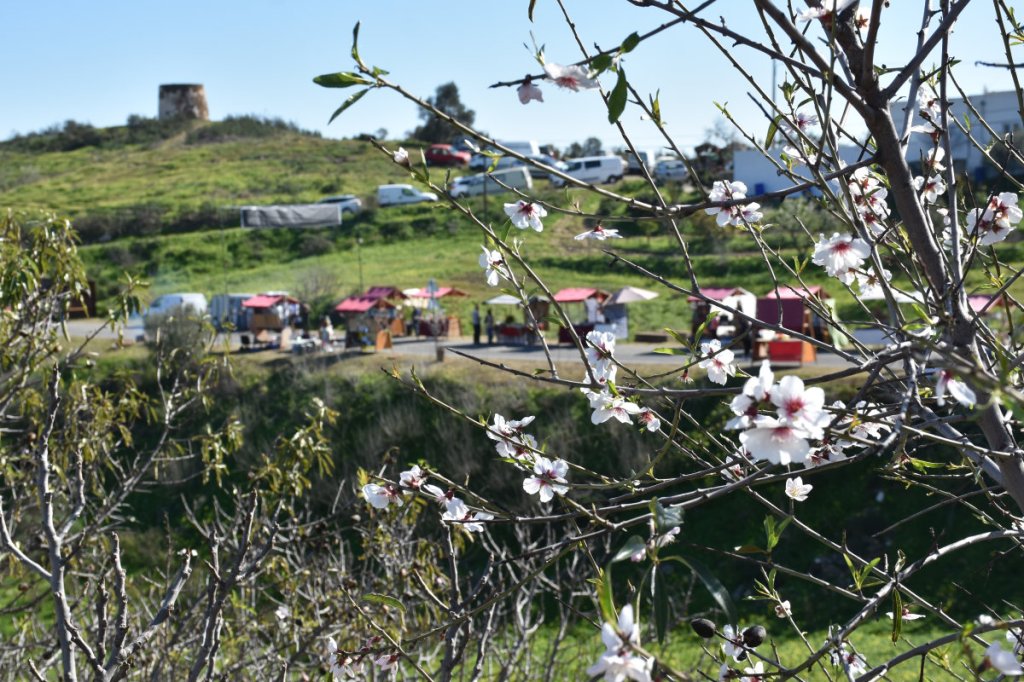
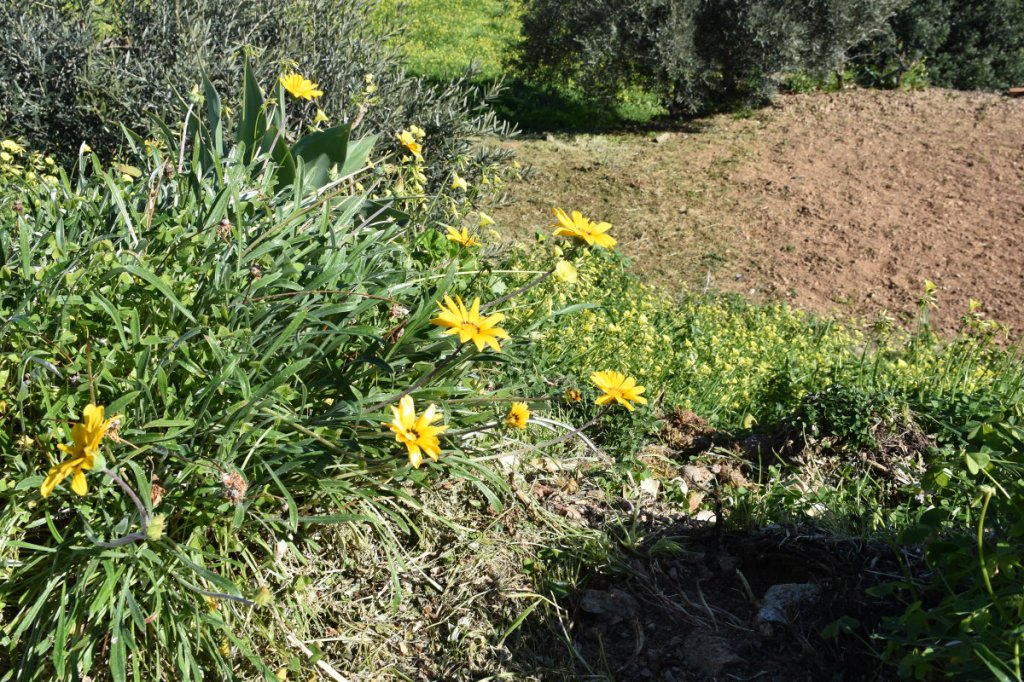

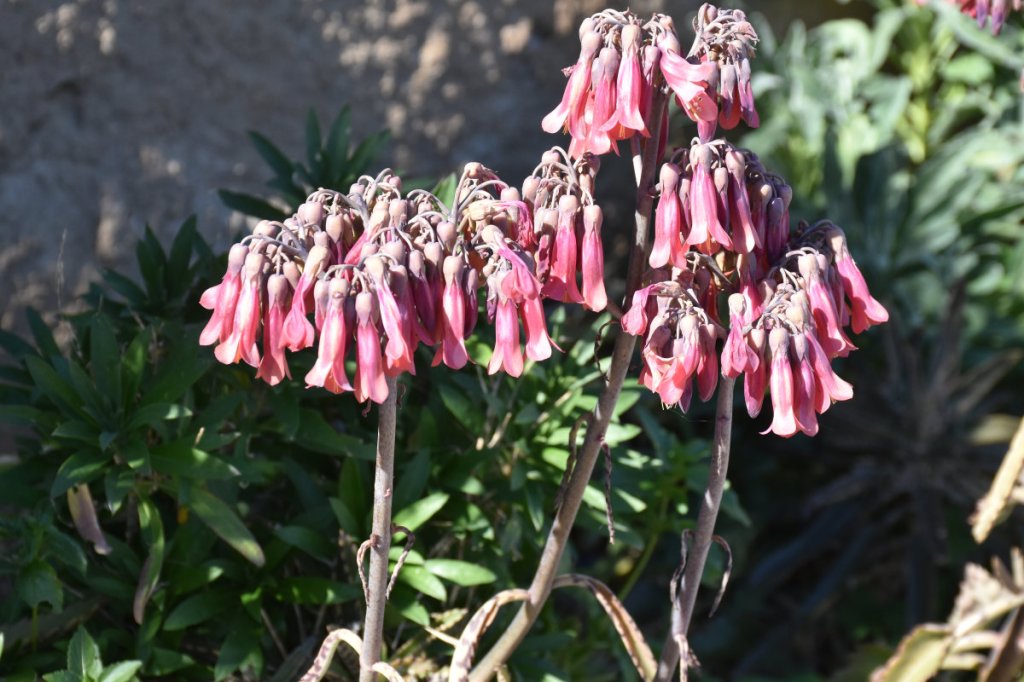


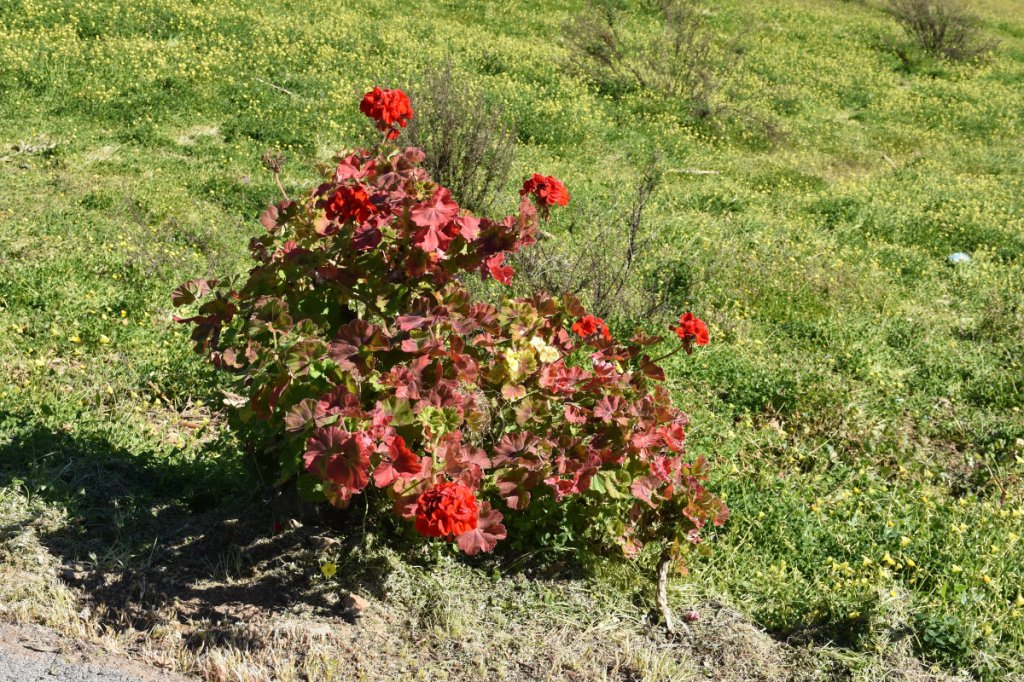
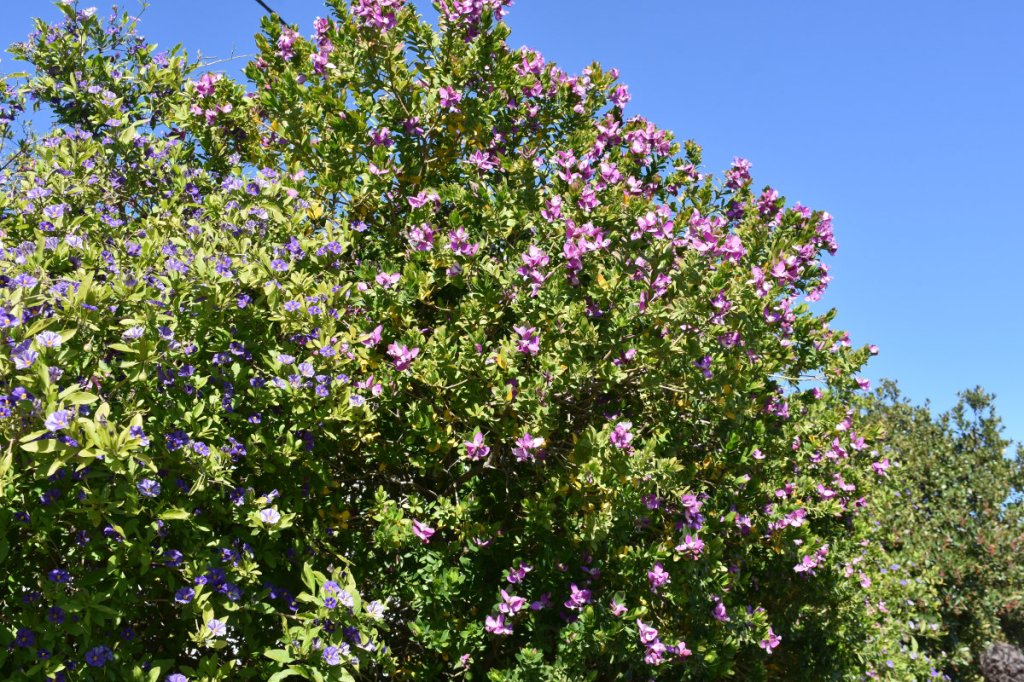
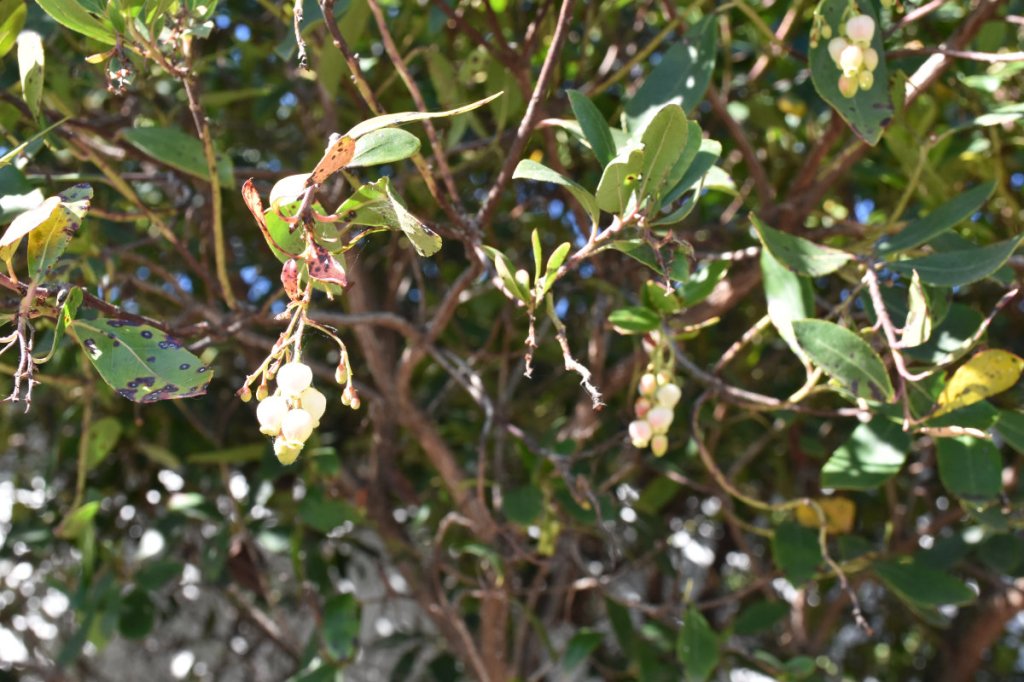
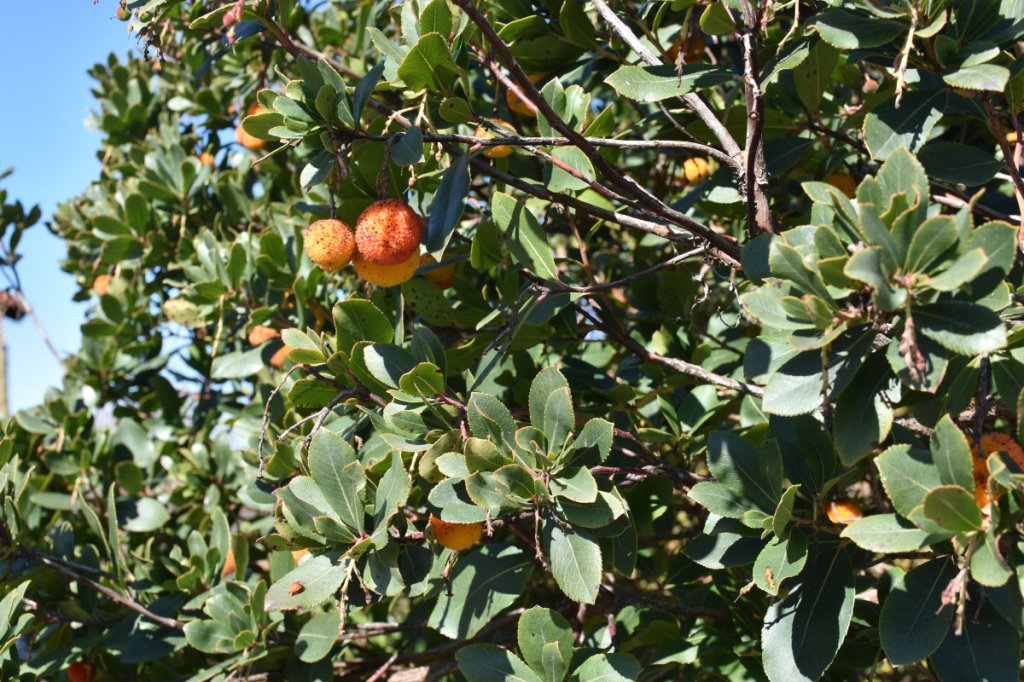
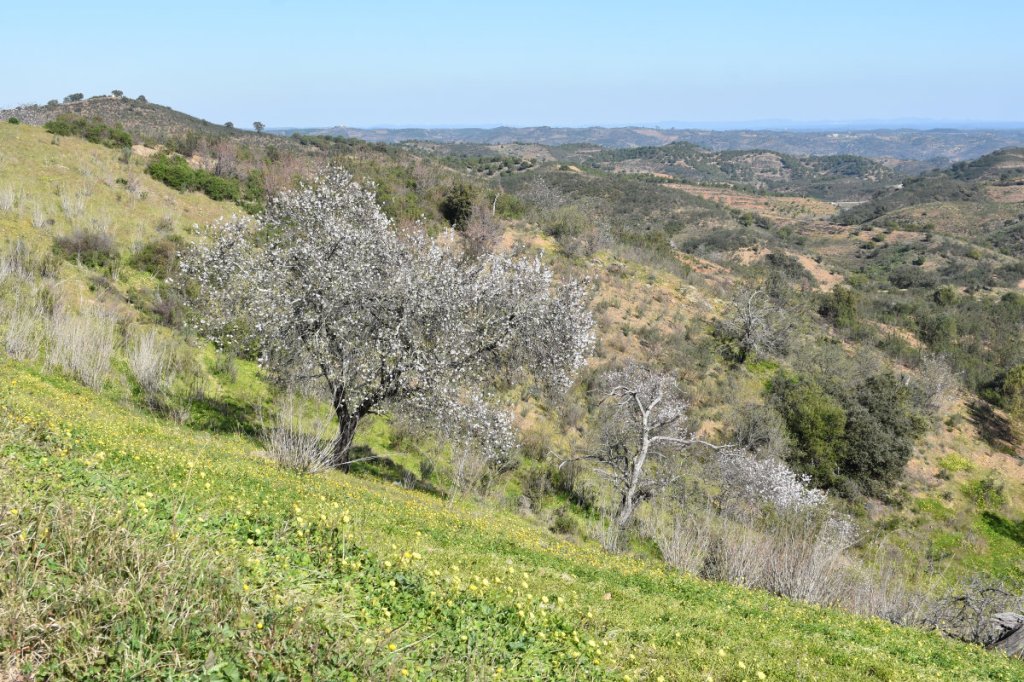

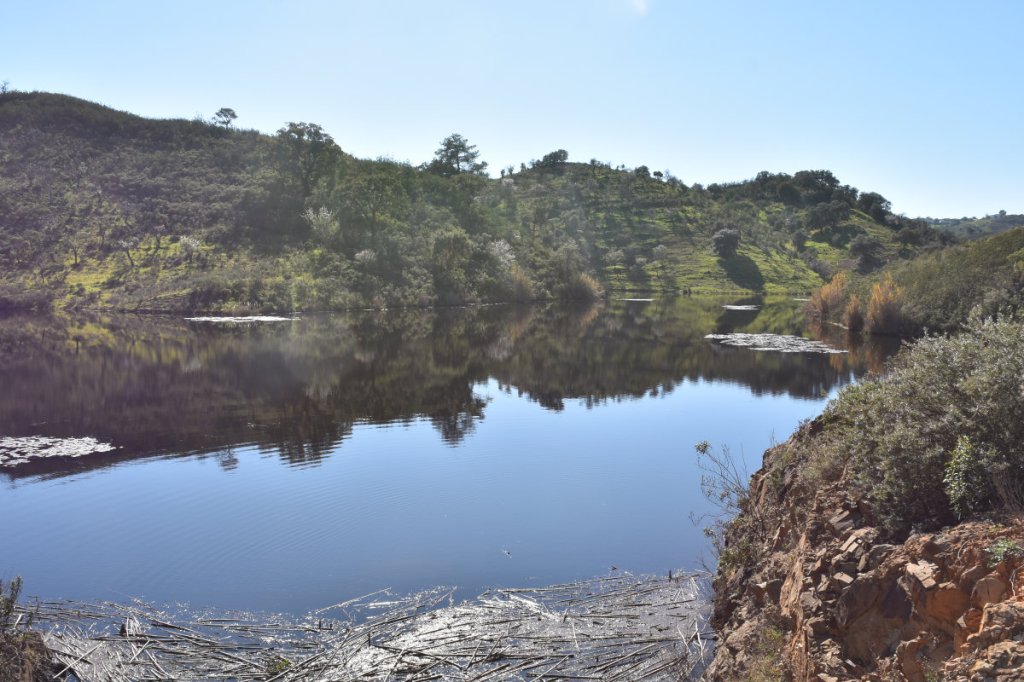
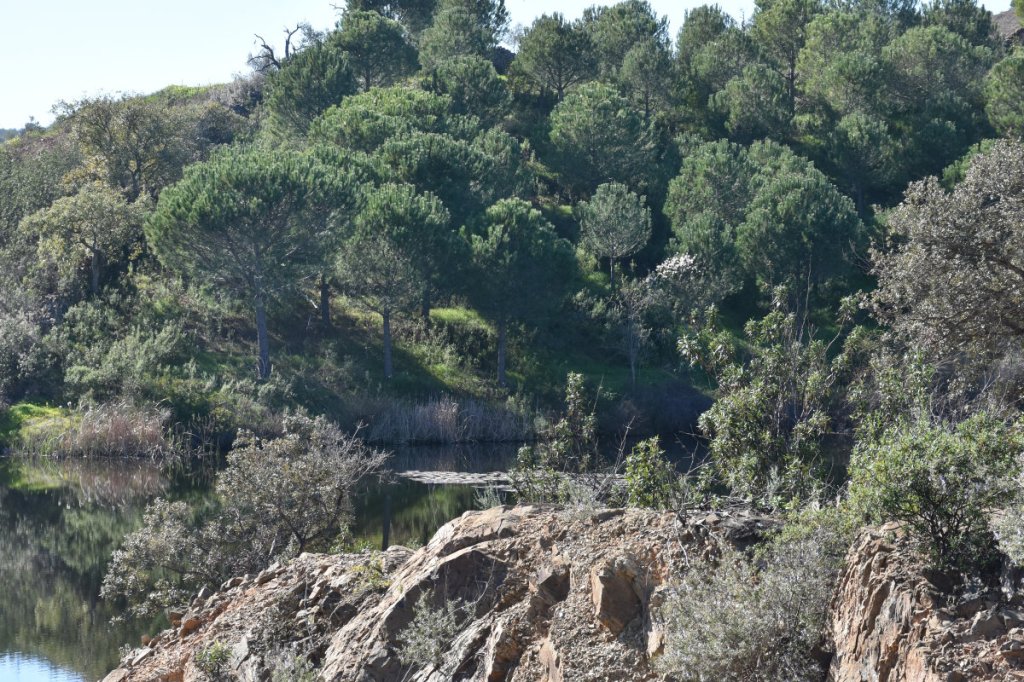
And then it was time to begin the return trip to home base. Not the easy route we had followed earlier in the day but a more circuitous road that followed mountain tops, swooped around steep curves down into deep valleys and up the other side. It was deliciously scenic and at the outset we discovered small lake with otters, turtles, almond blossoms and last years oranges.



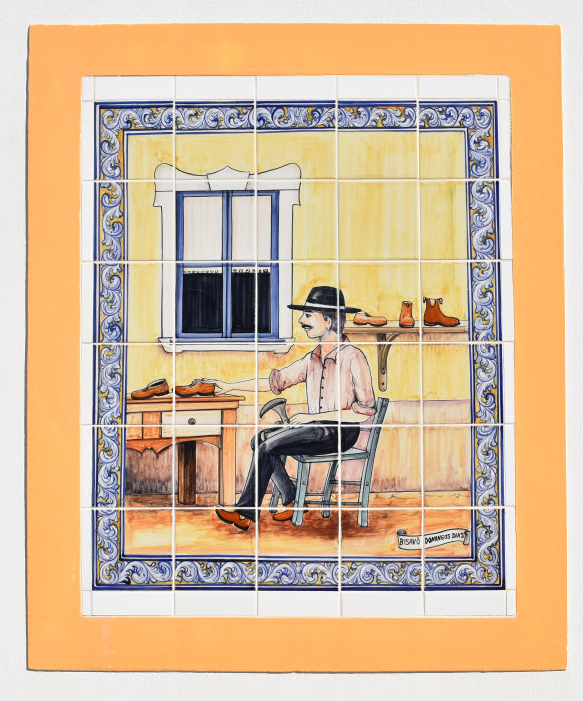
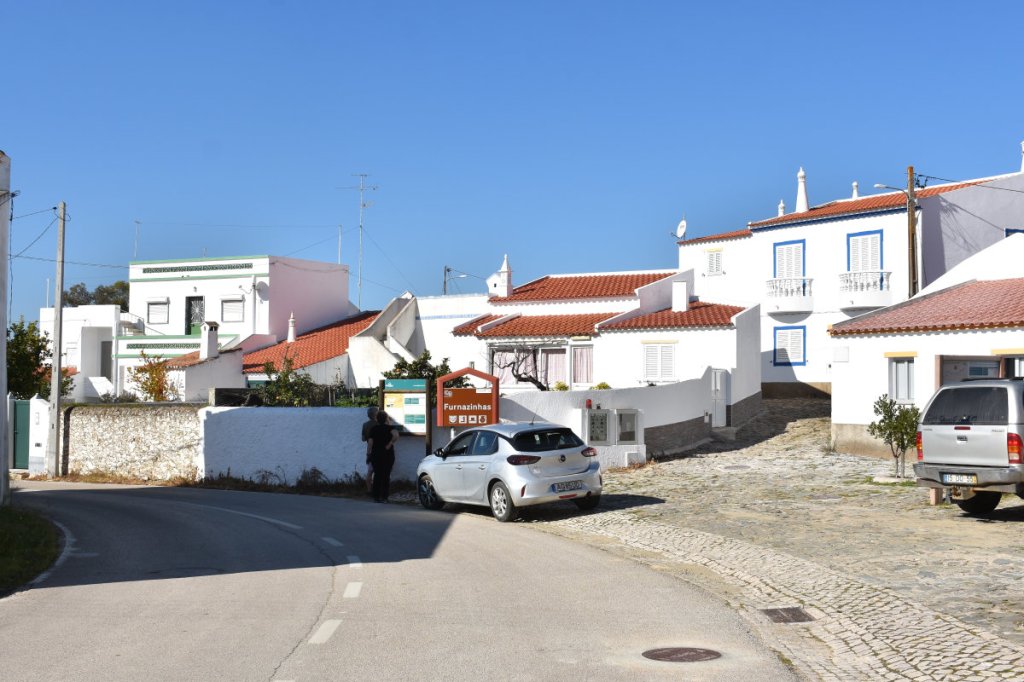
Sunday dawned in Estoi with sunshine and a lot loud sound emanating from the direction of the local fairground. I knew it was too early for the monthly gypsy market but it turned to be flea market.
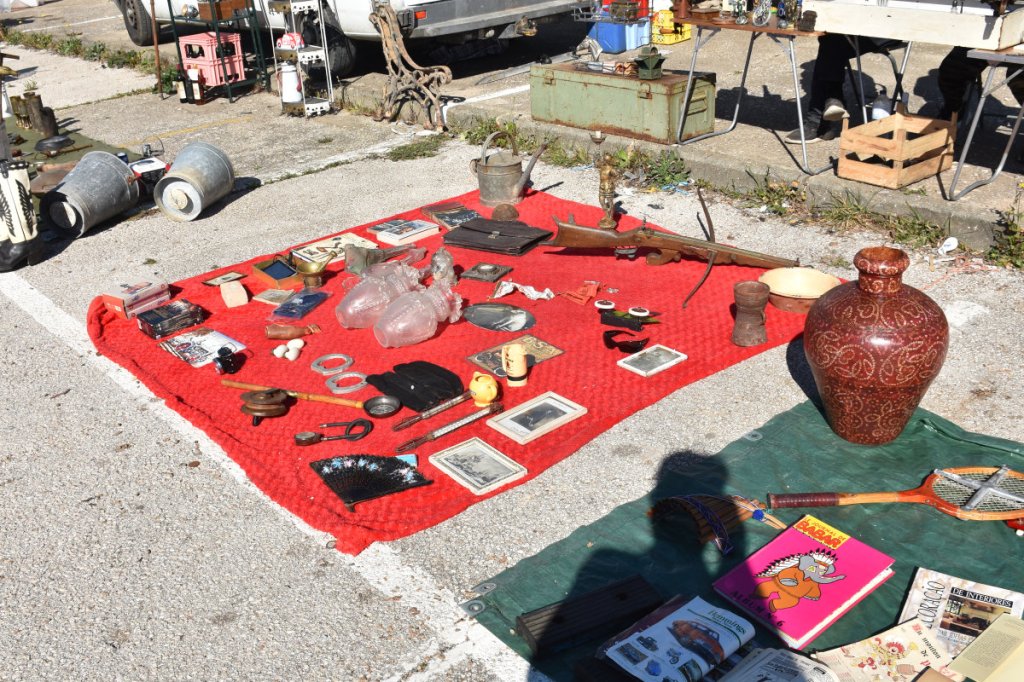
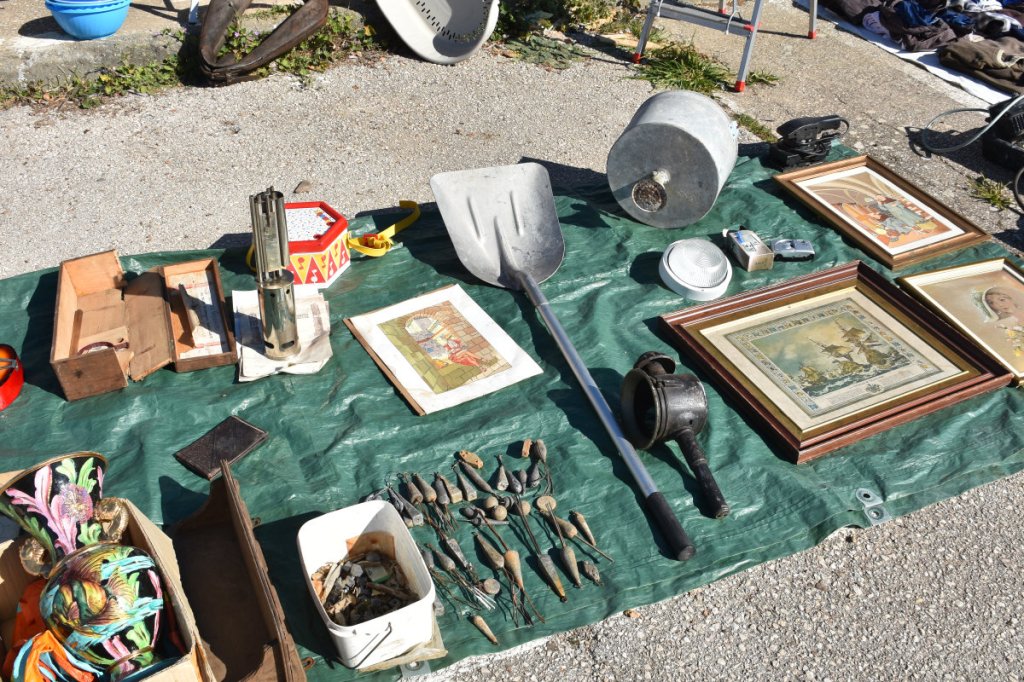


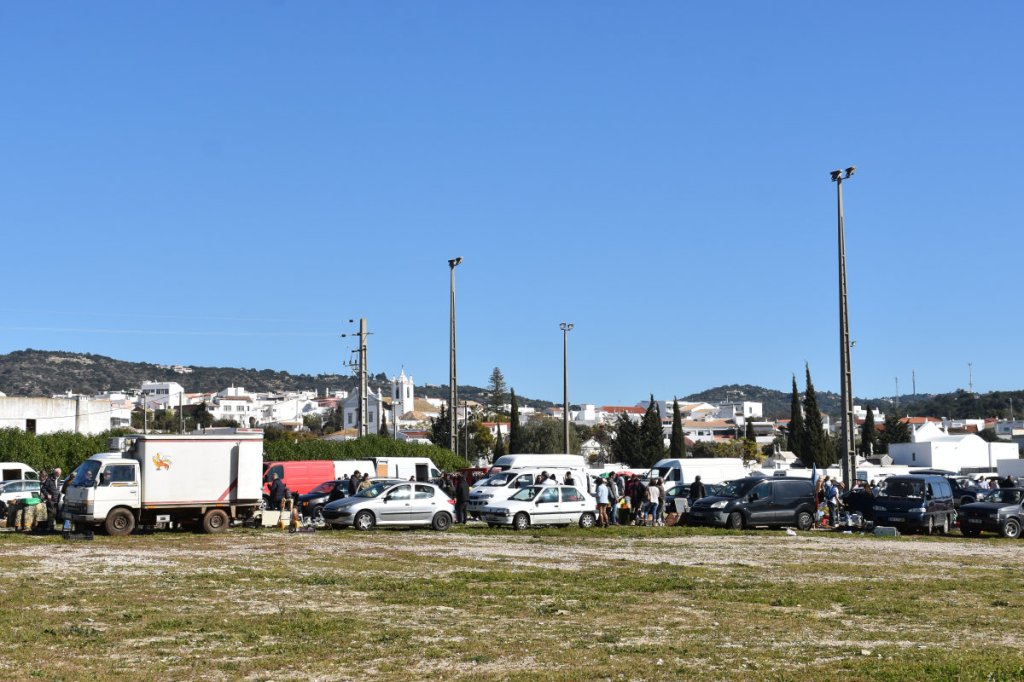

Resisting the urge to buy something I didn’t need and would have to carry home, Jackson and I proceeded with our Sunday walk. There are several little laneways that are fun to explore so we meandered long a couple of them for the rest of the morning.
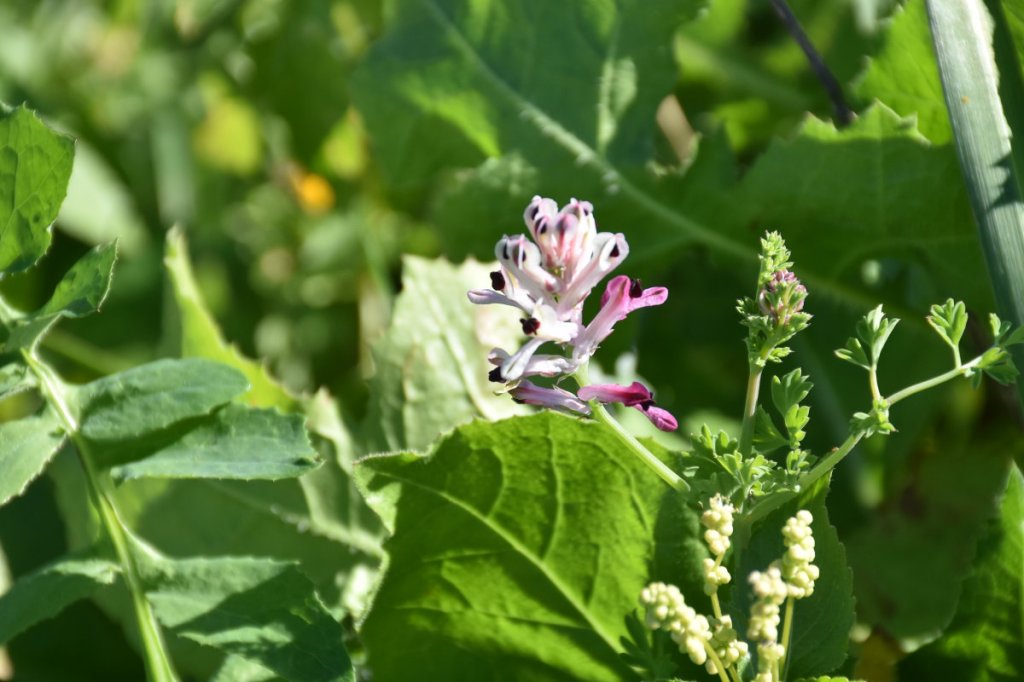

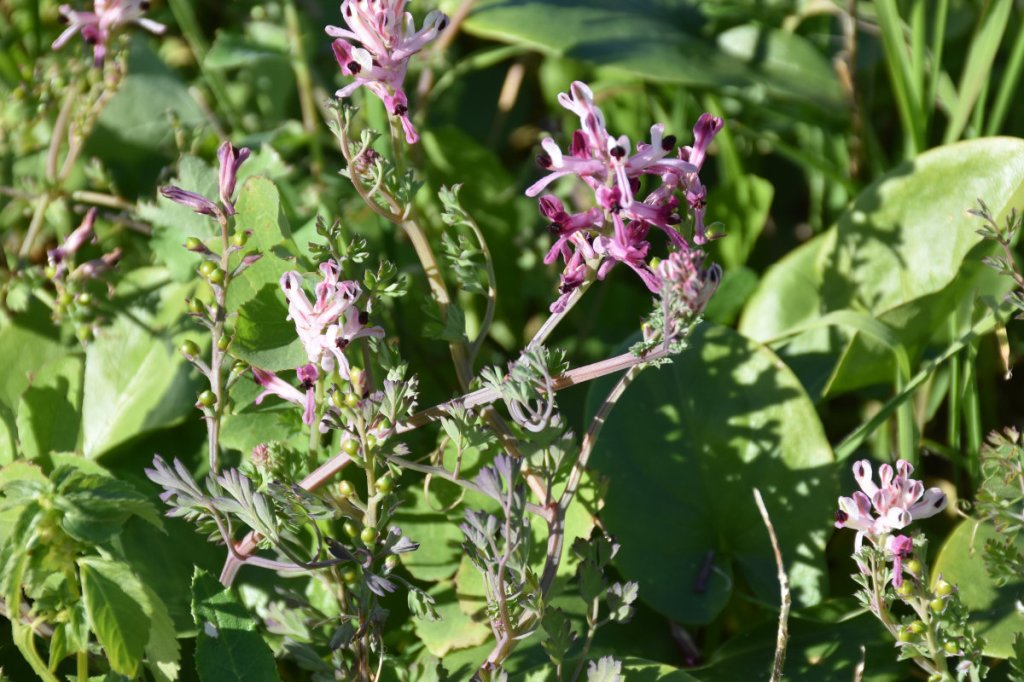
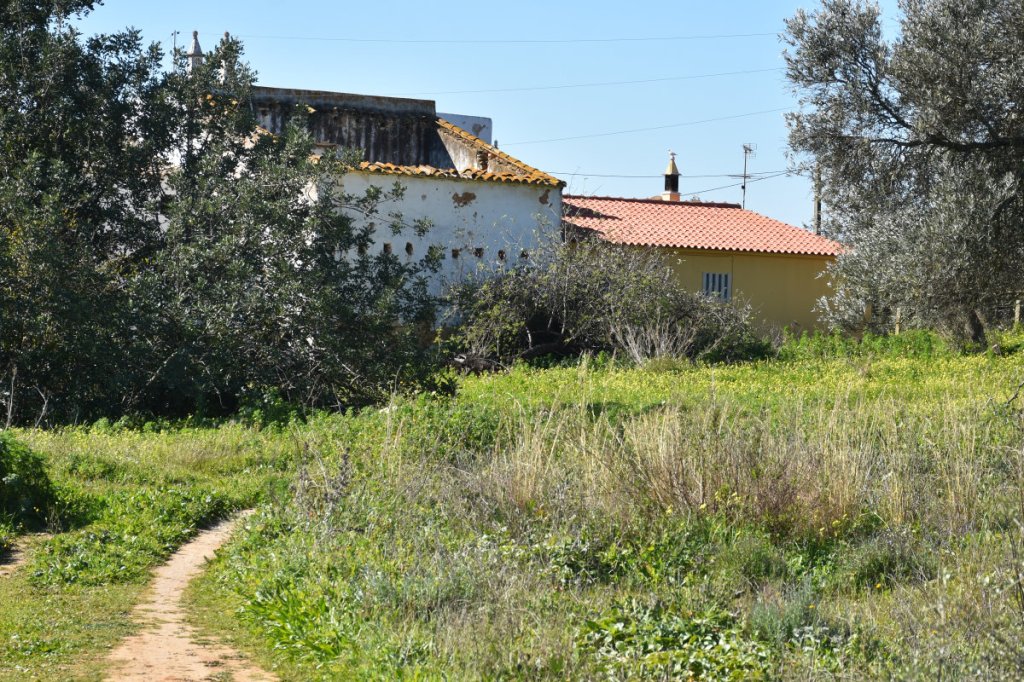

The week progressed with predominantly sunny weather although windy and cool until Wednesday when storm clouds began to roll in and the rain began. This is a semi-desert area and it is supposed to rain in the winter, so it’s not entirely surprising and is actually a good thing.

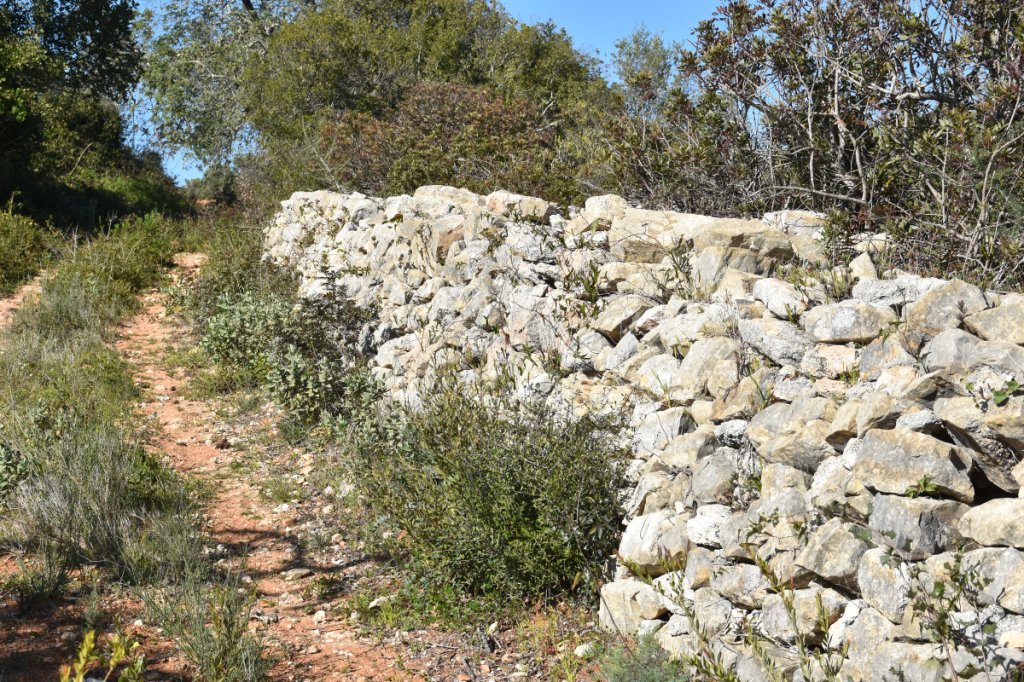
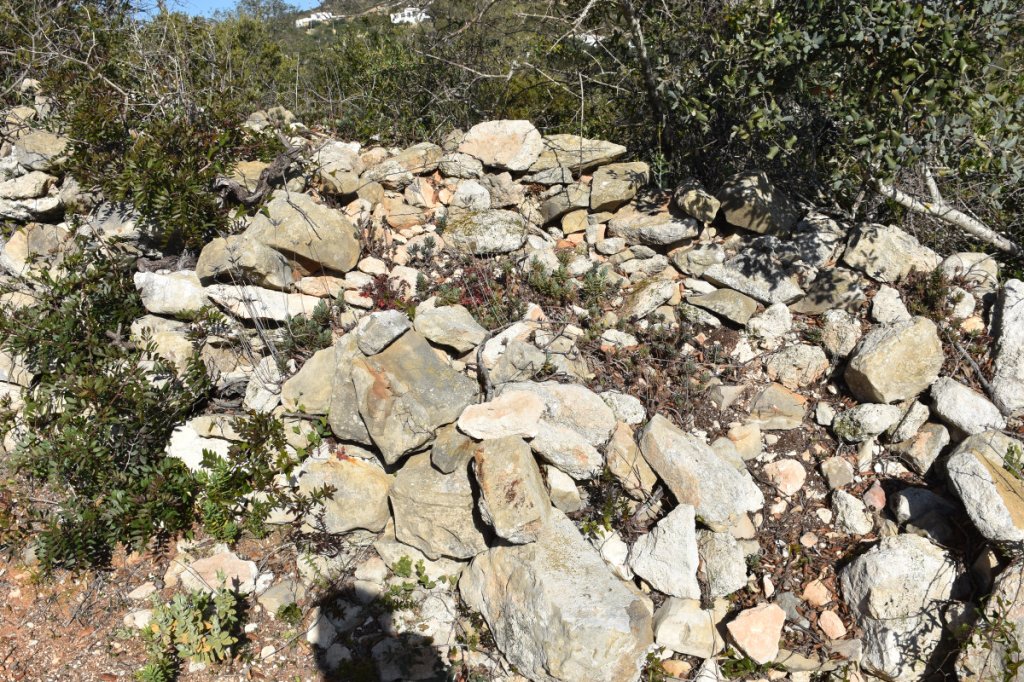
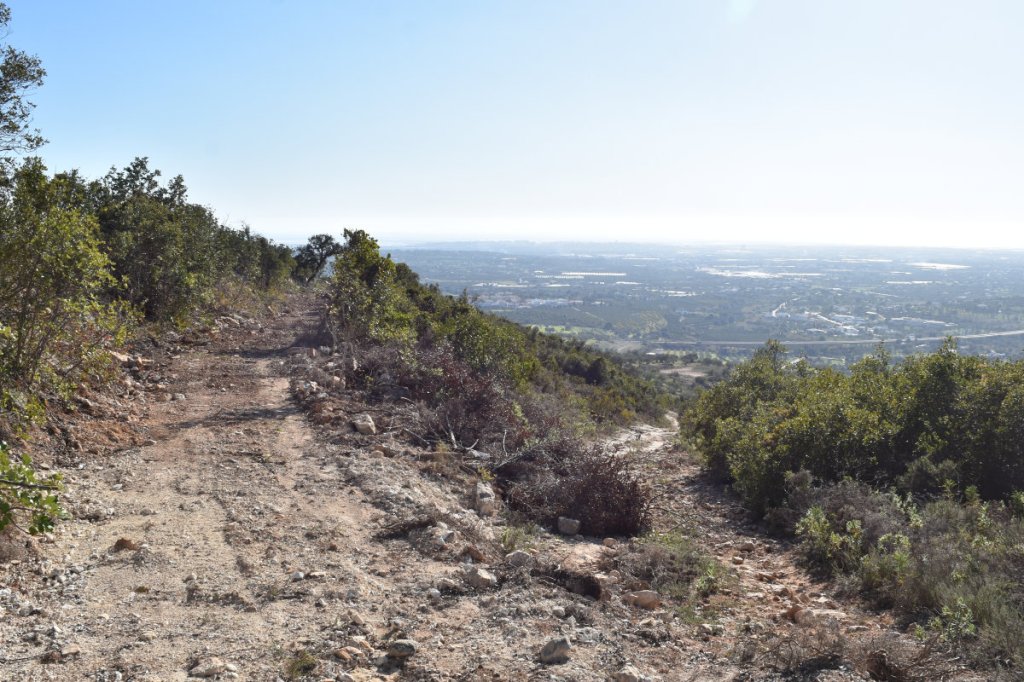
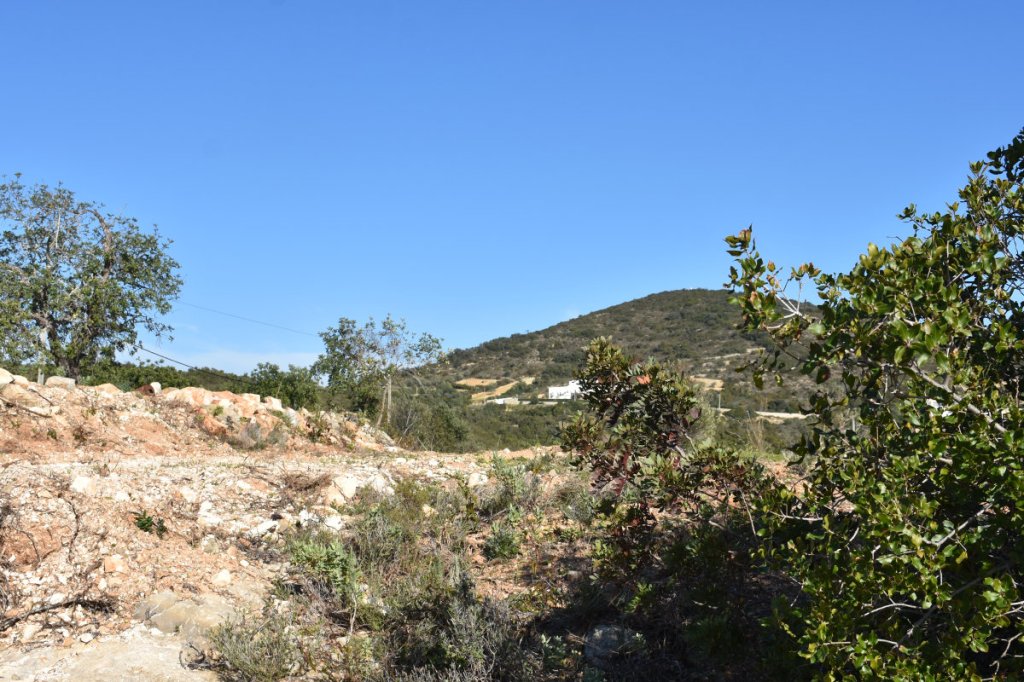
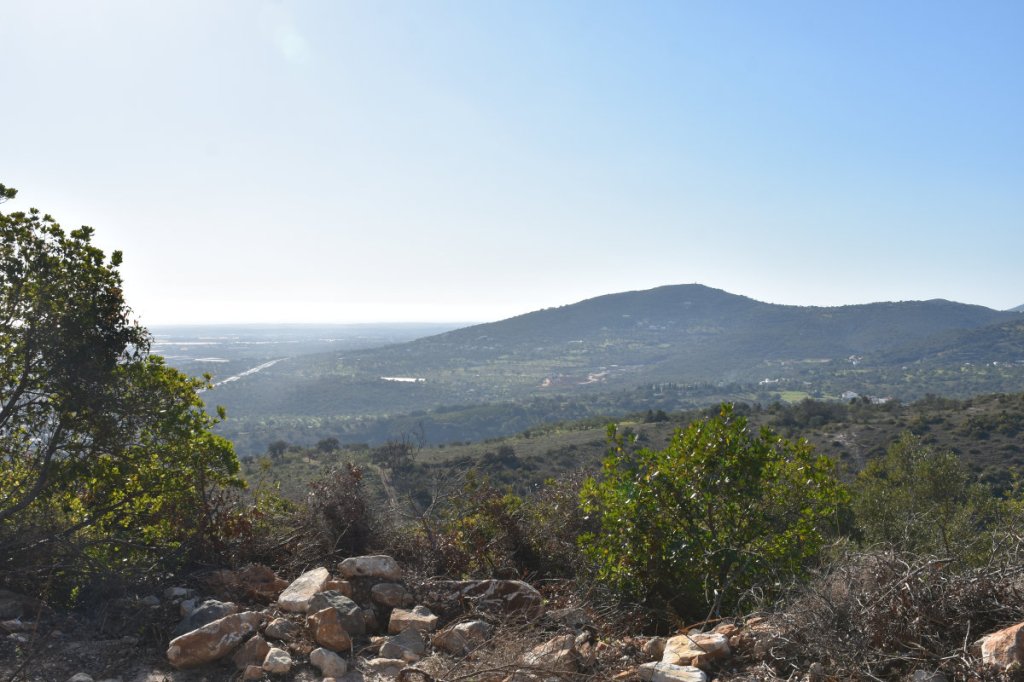
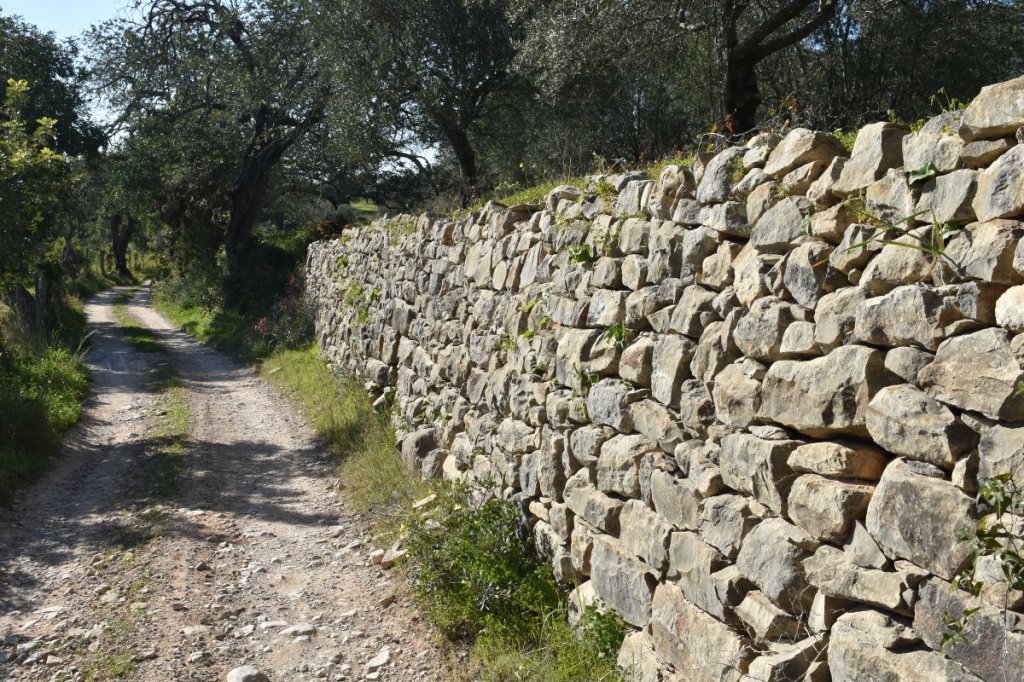
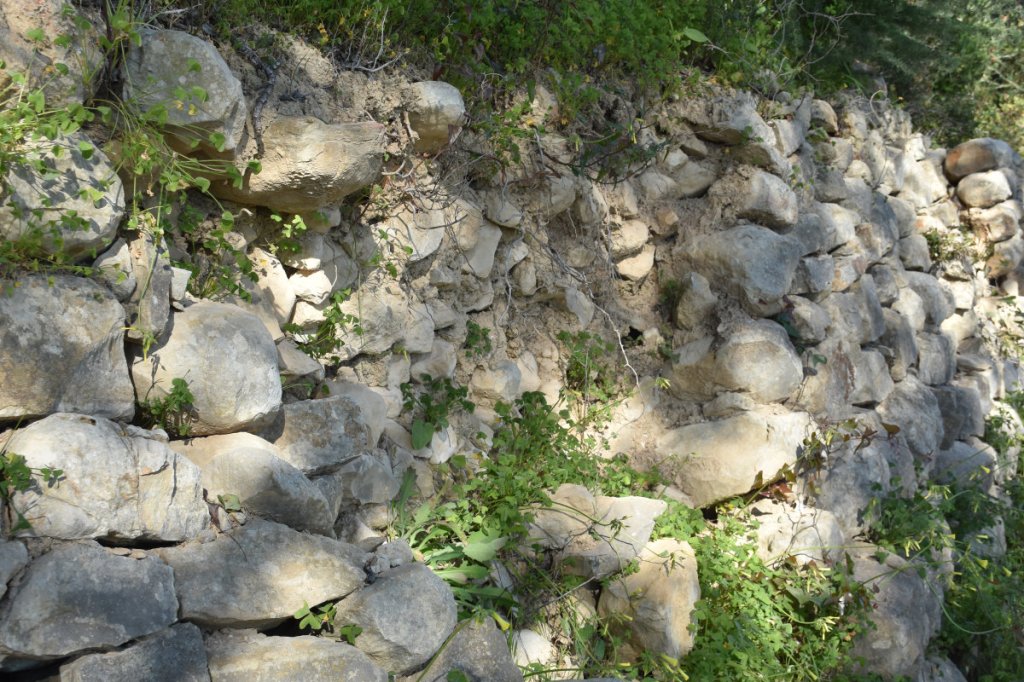
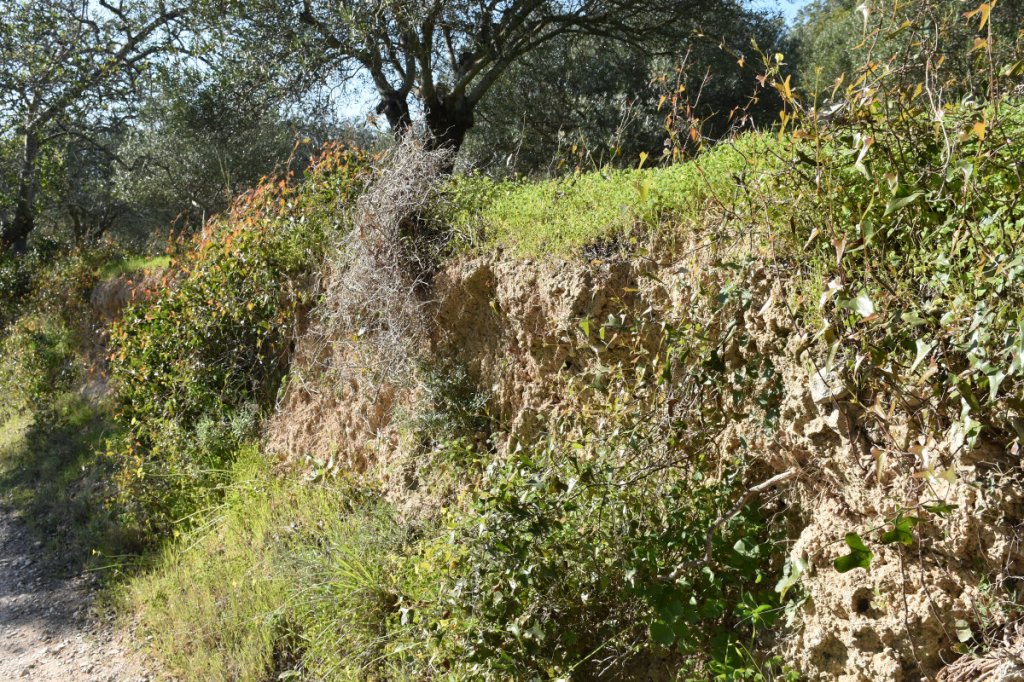
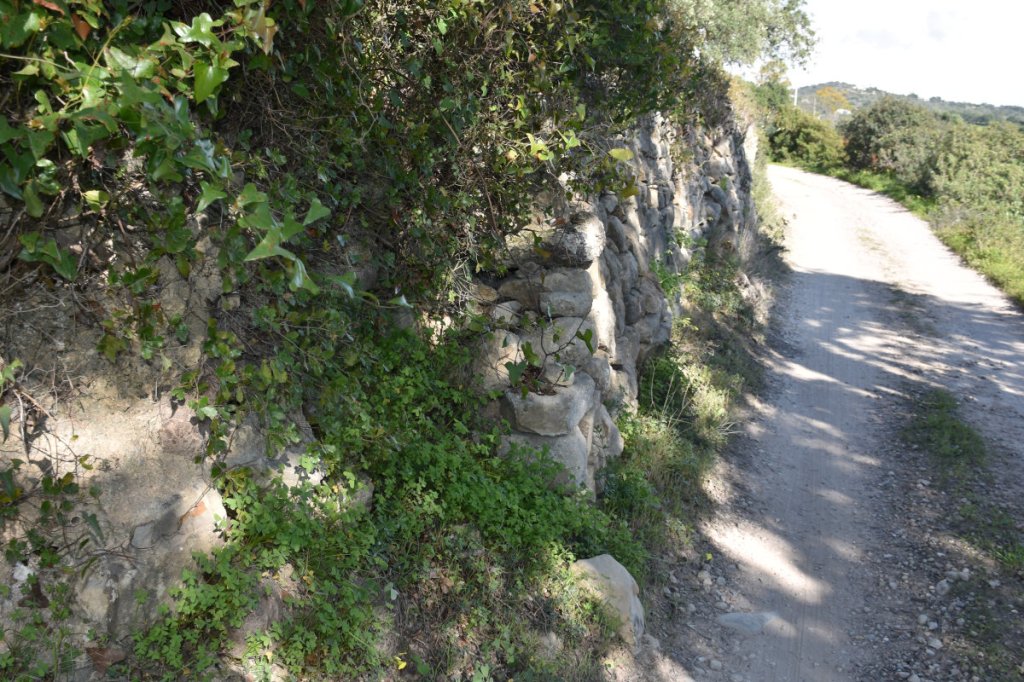
Our walks were repeats with some off-road, small trail exploration. I’m curious about the history of the stone wall terracing. One unsubstantiated source I found stated they were an early twentieth century phenomenon. However, after further digging, I found some English language scholarly research that indicates stone walls likely began during roman times, perhaps earlier as a means of establishing property lines. There’s differences in the construction of stone fences and stone walls terraces. The latter may have a foundation, have interior and exterior walls of interlaced stones with rubble fill, and a slight inward angle against the earth they are retaining. Building these walls takes skill and knowledge that is rapidly being lost. If you don’t what you’re doing, you will end up with a pile of rocks. The terraces work well in terms of preventing soil erosion and retaining moisture in the soil and ground water. In fact, when taking a closer look at the terraced fields, I realized there’s rarely a water wheel in sight indicating that irrigation wasn’t necessary for the types of crops grown. Today, many of the walls are in a state of disrepair and erosion is happening and the terraces have been abandoned to wilderness, wild boar, rabbits and other game. I’m thinking there might be an ecological, local farming project possibility in them there hills!
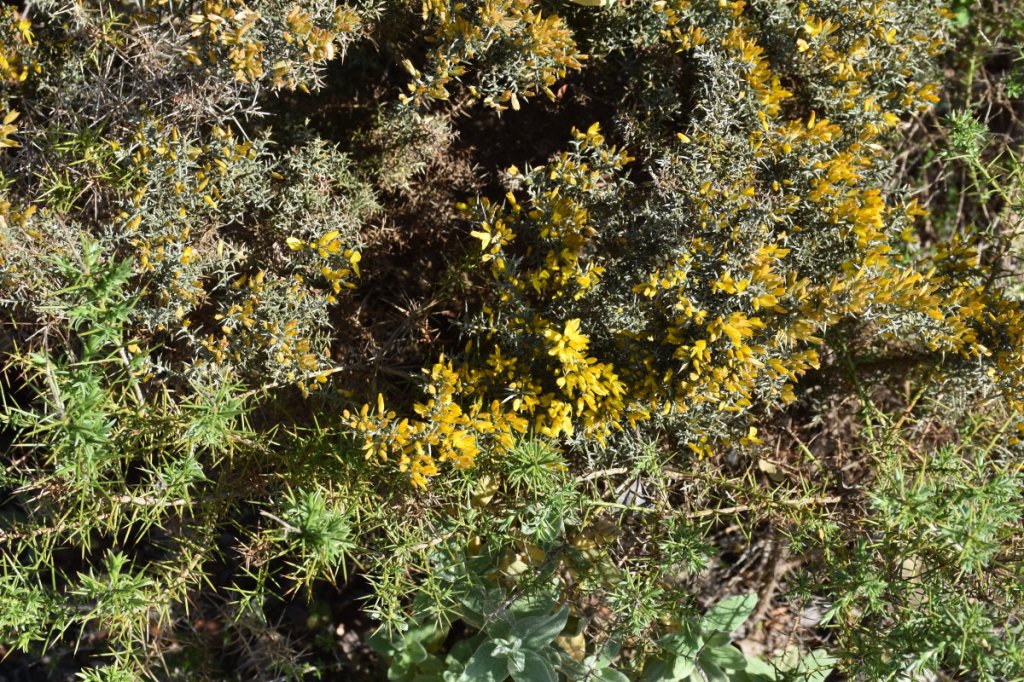

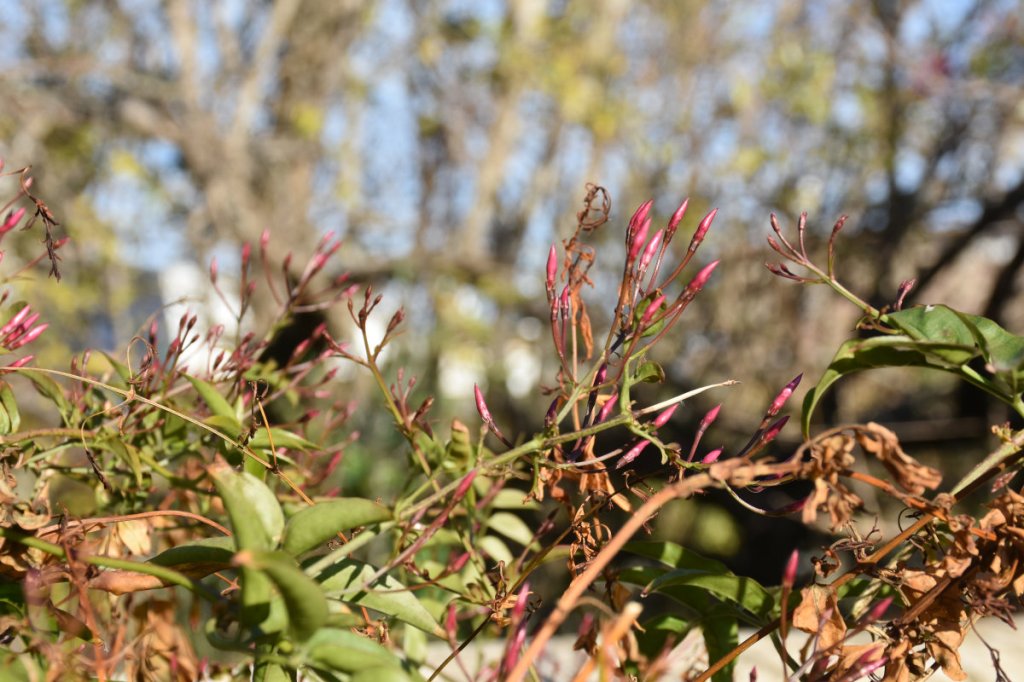
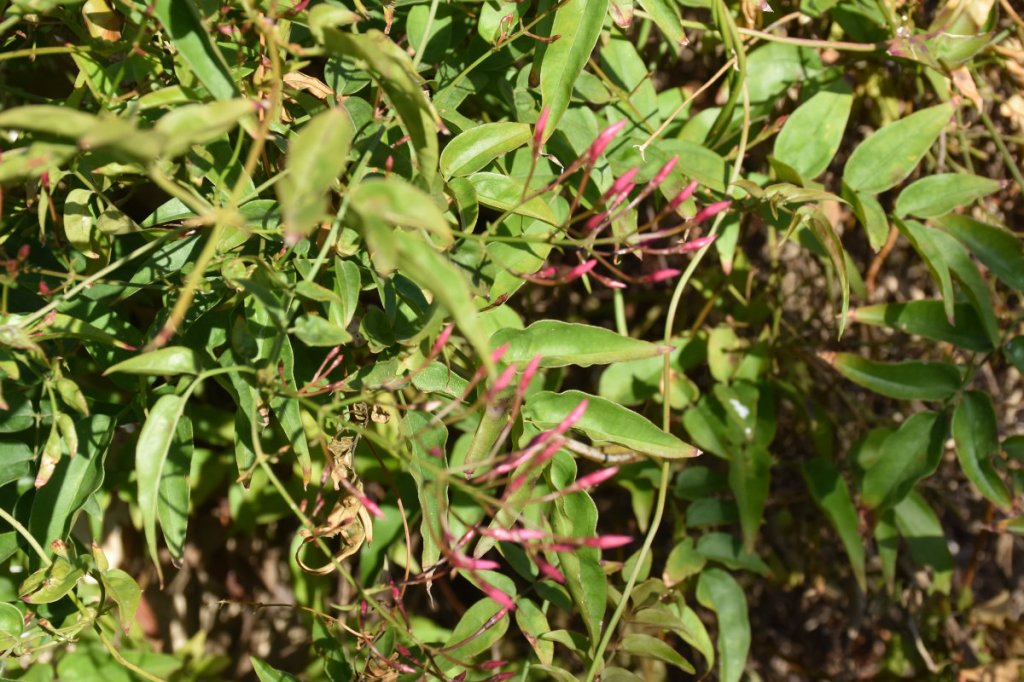
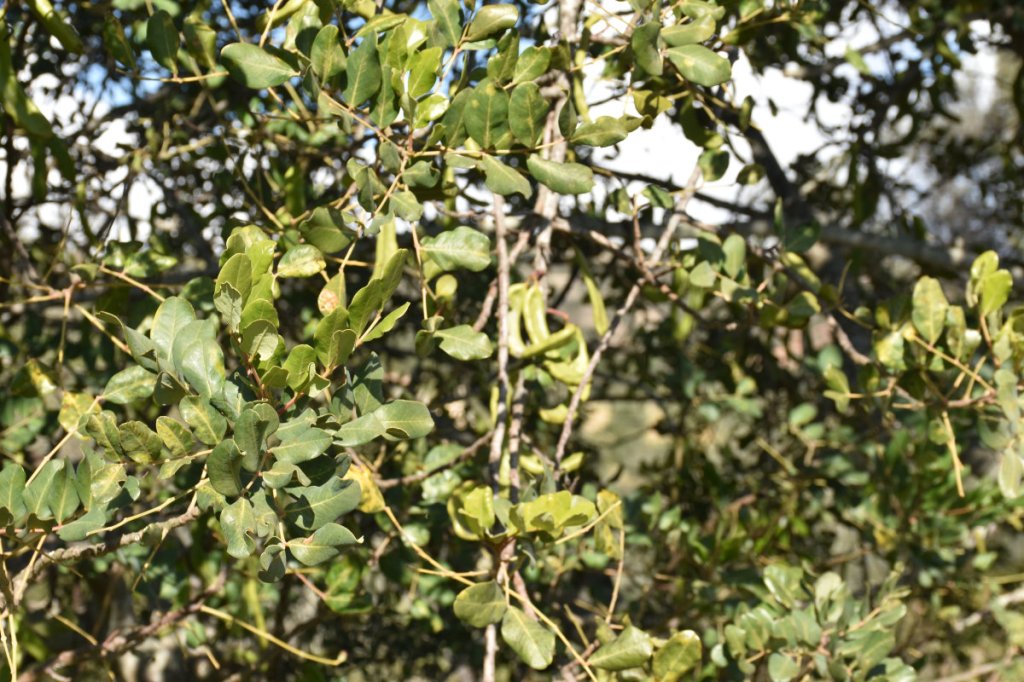
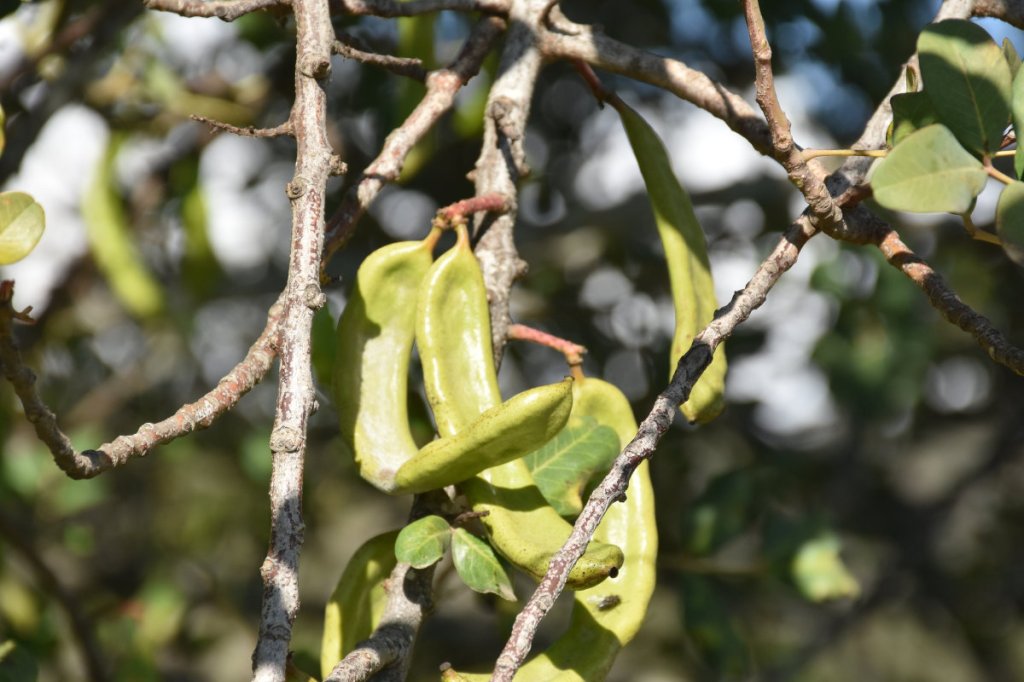
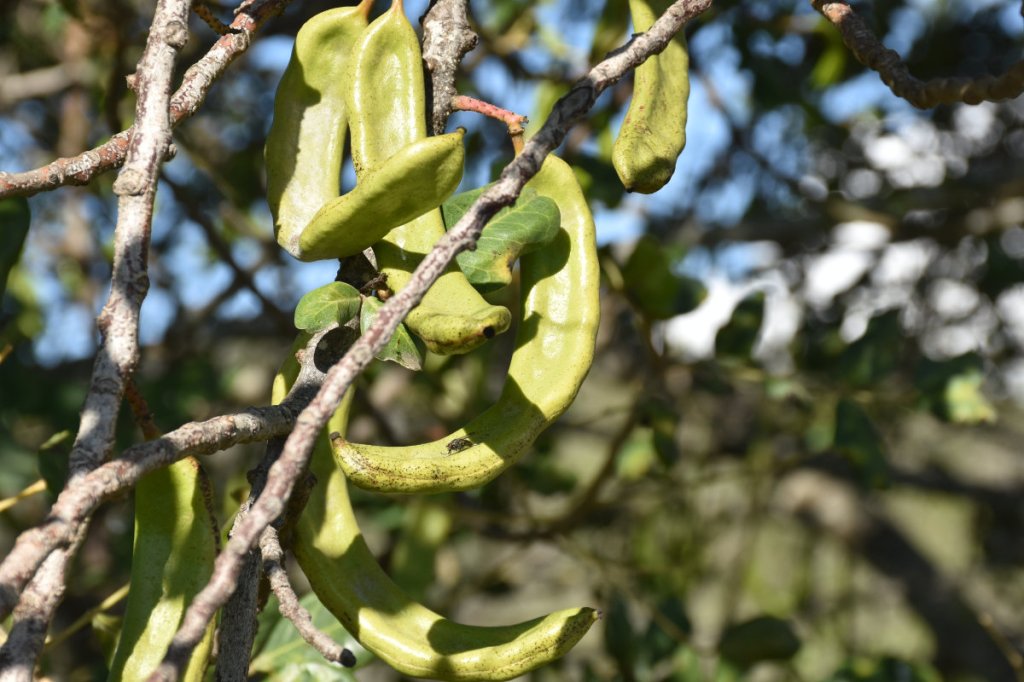

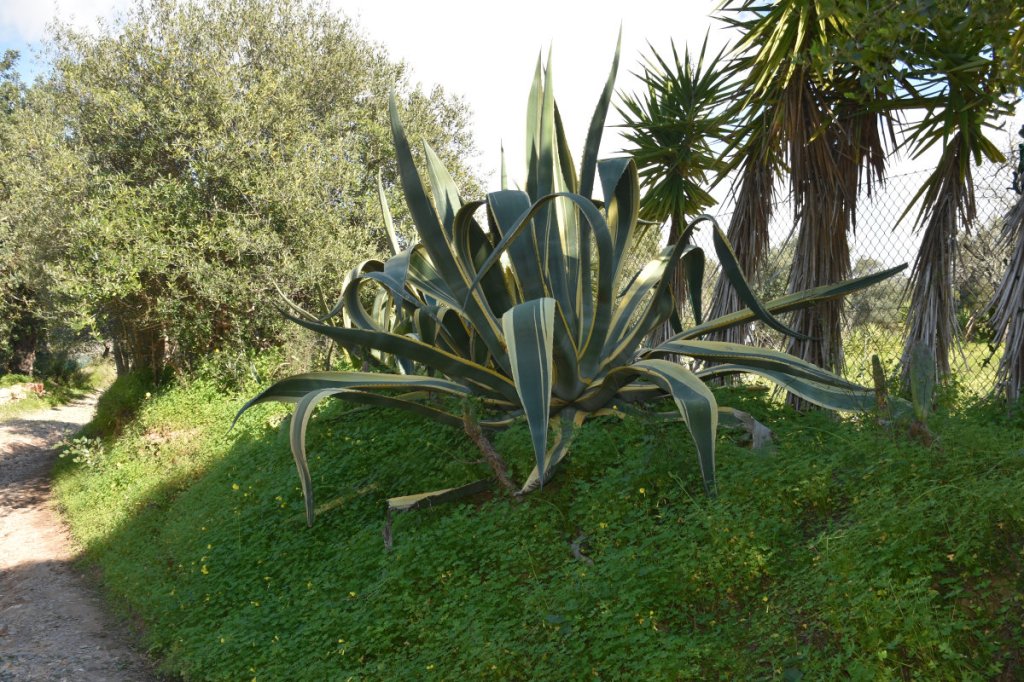

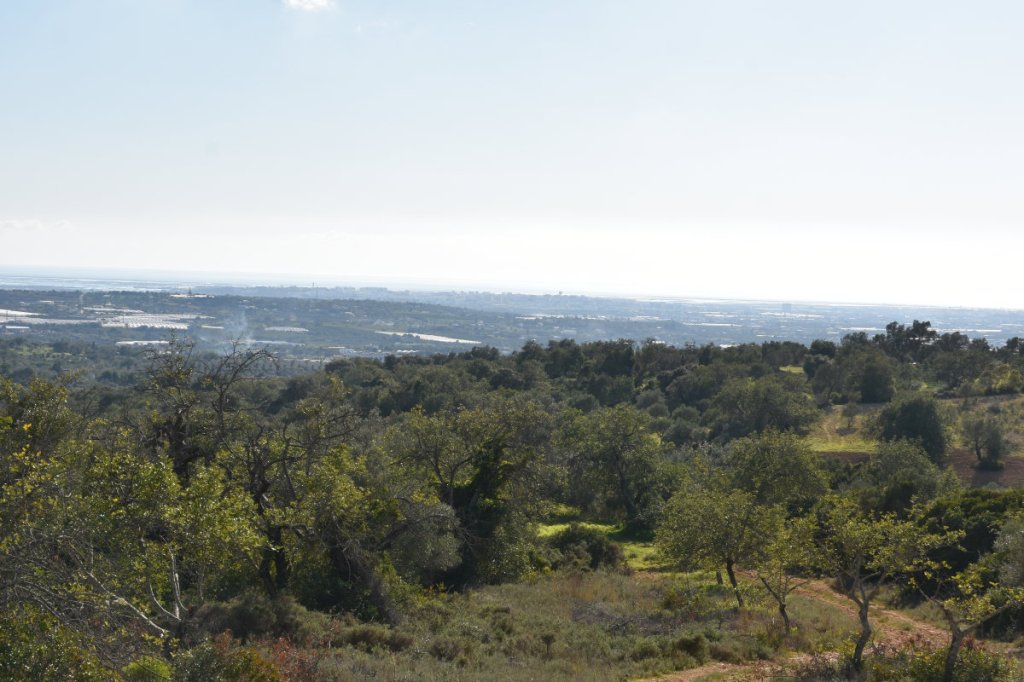
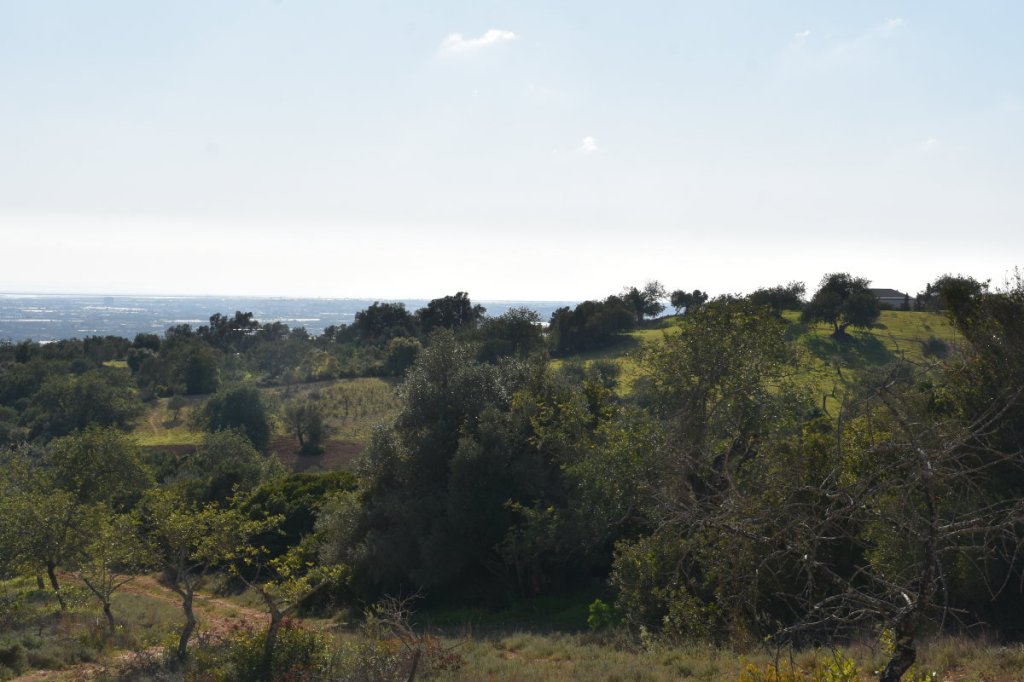
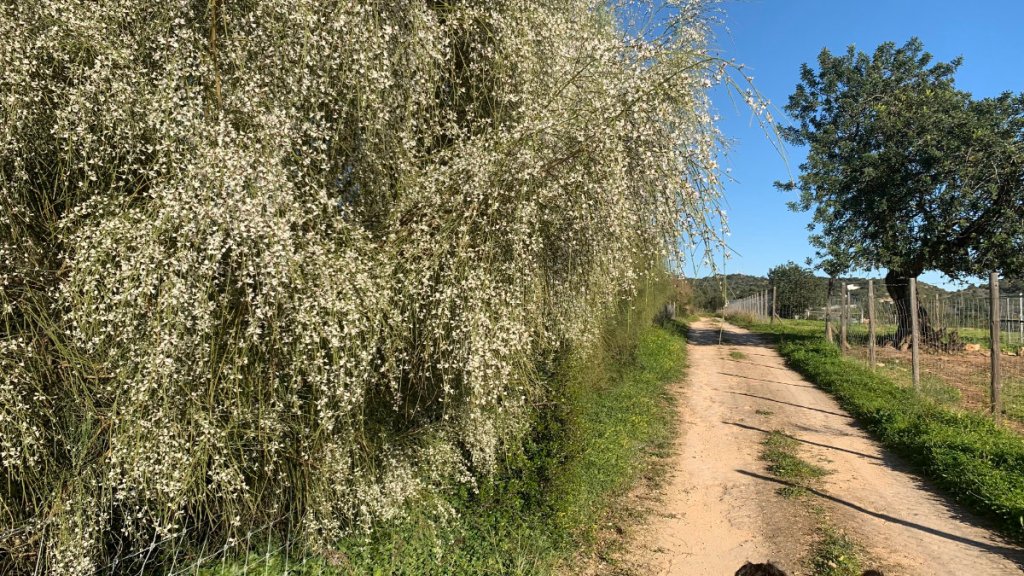
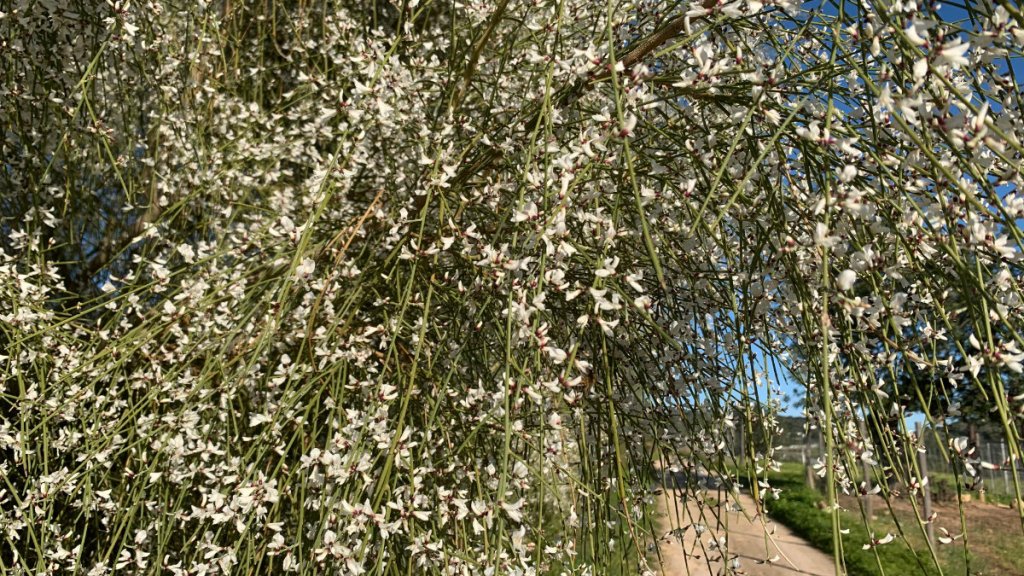
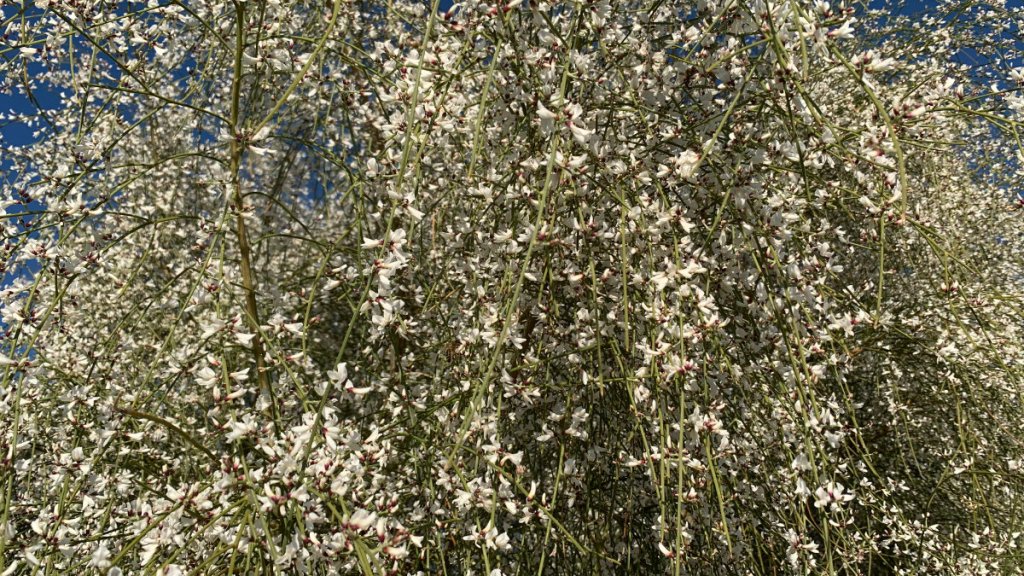
The bridal veil shrubs along some of the roads are in full bloom. I find them quite magical in their shimmering movements in the wind and the delicate scent that wafts from their blossoms.

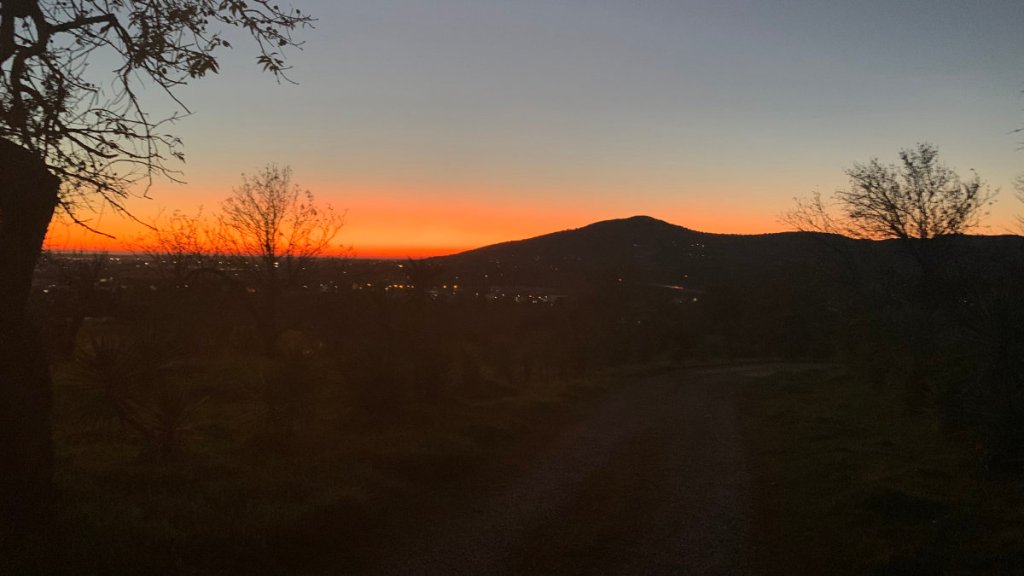
And so the days pass, the sun and the moon rise and set over this small patch of the planet.

 Five Feet, Nine Inches Above Ground
Leave a comment